

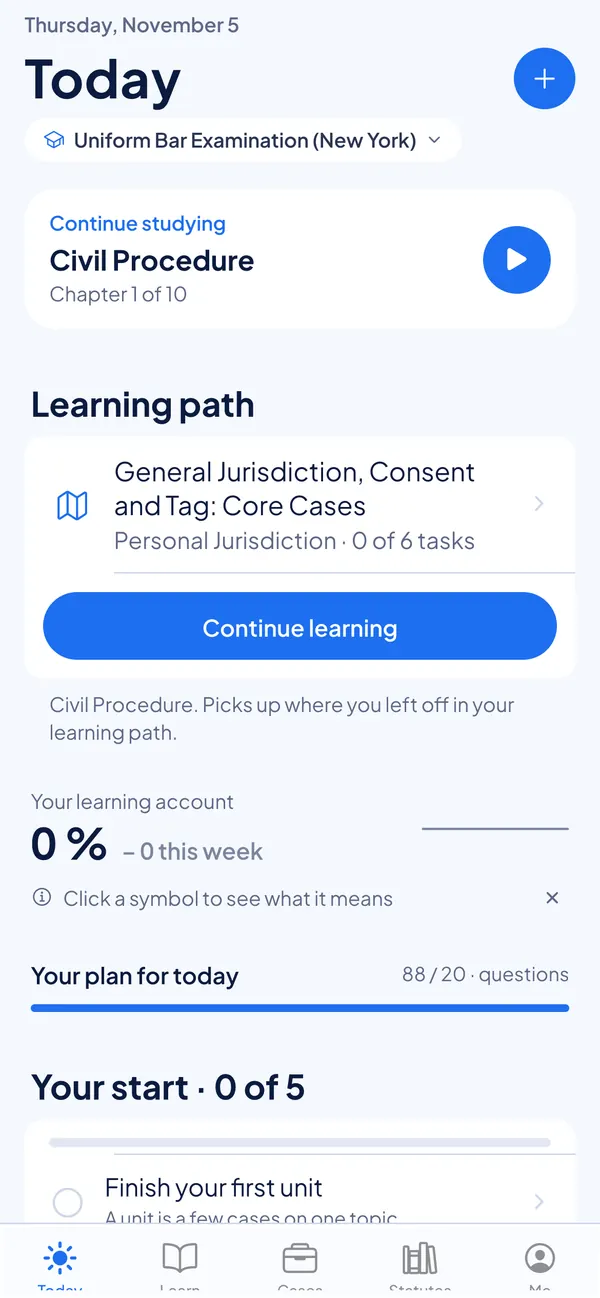
Today for you
One unit, 10 to 15 minutes
Cards that are due, questions on your weak rules and the next unit of your learning path, sized by your exam date and recent results. The same unit all day; recomputed after each session.
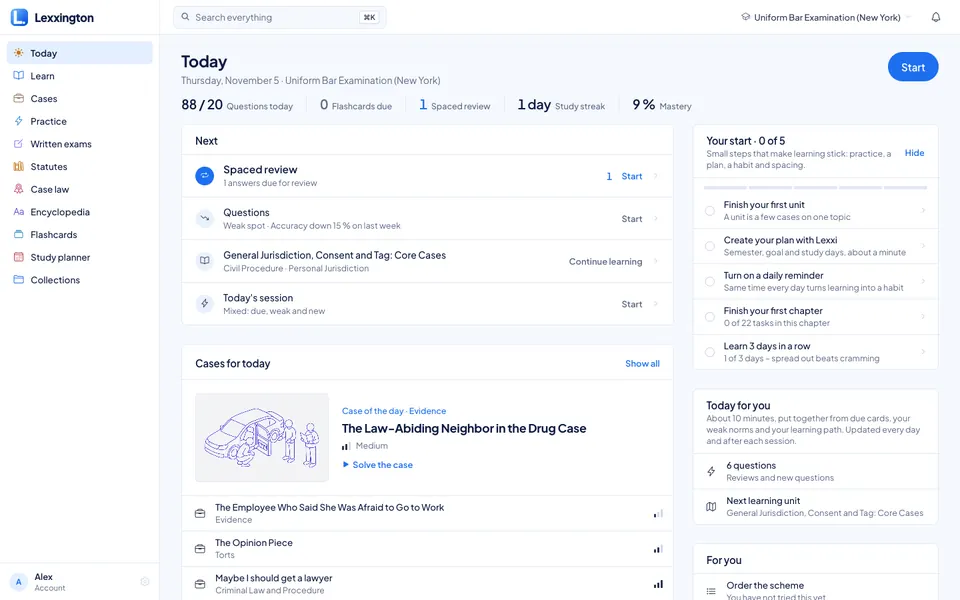
For law school and the bar exam
Lexxington is a study app for law school and the bar exam. Work through cases step by step, review rules with flashcards and read each rule with the cases that apply it. The multistate subjects, plus a course for your jurisdiction.
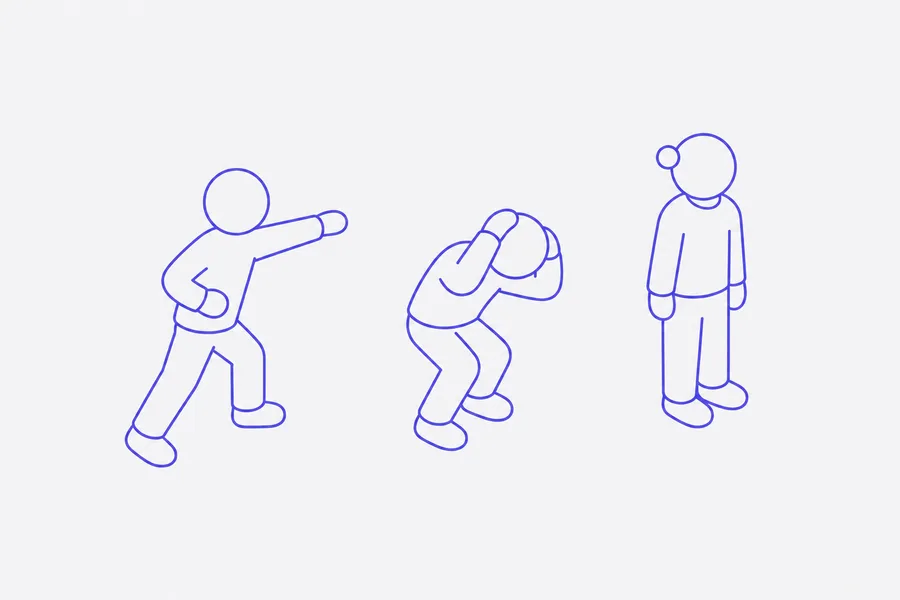
Torts
Marco throws a rock at his rival Luis, intending to hit him. The rock misses and strikes a passerby, Nina, who is bruised. Nina sues Marco.
Marco is liable to Nina for battery.
A case from the app, exactly as it appears there. In the app, more statements follow, with the rule and the reasoning.
Cases, cards, the rules, timed practice and a tutor work together. Every answer leads to the rule, every rule to its cases.
Try your first case in the app
For iPhone and iPad. With a subscription in the browser too, with the same account.
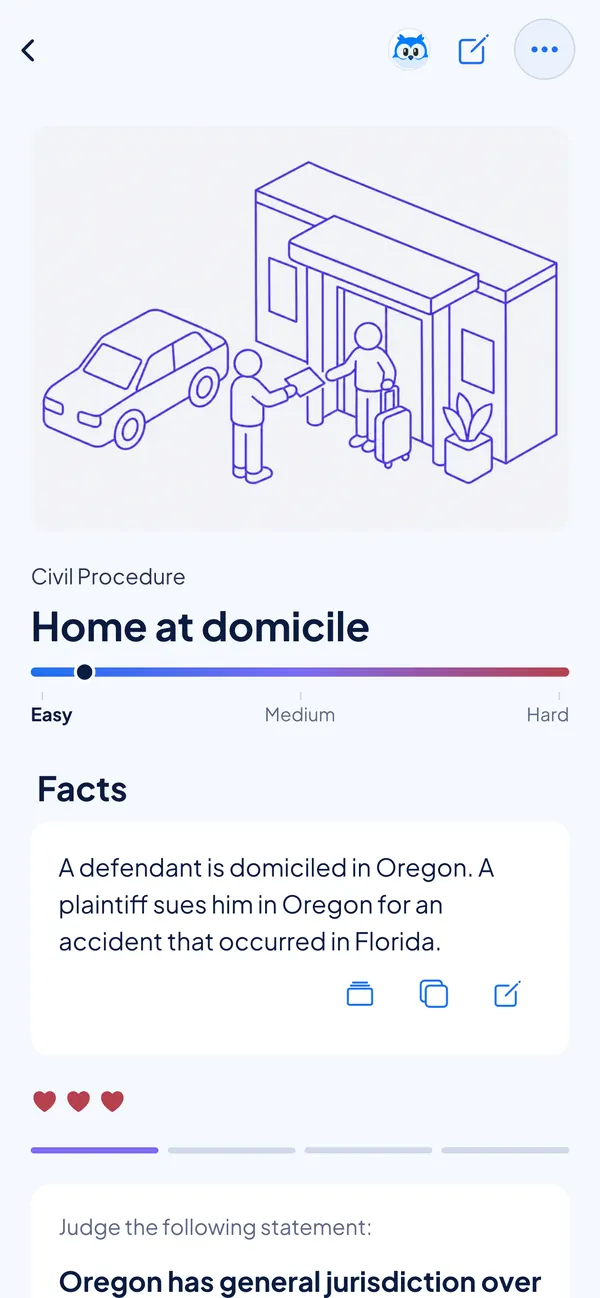
Product tour
Real views from the app with test data. Scroll through the steps and the phone follows.
Your plan for today: cards that are due, a few questions and the next unit, sized to your exam date.
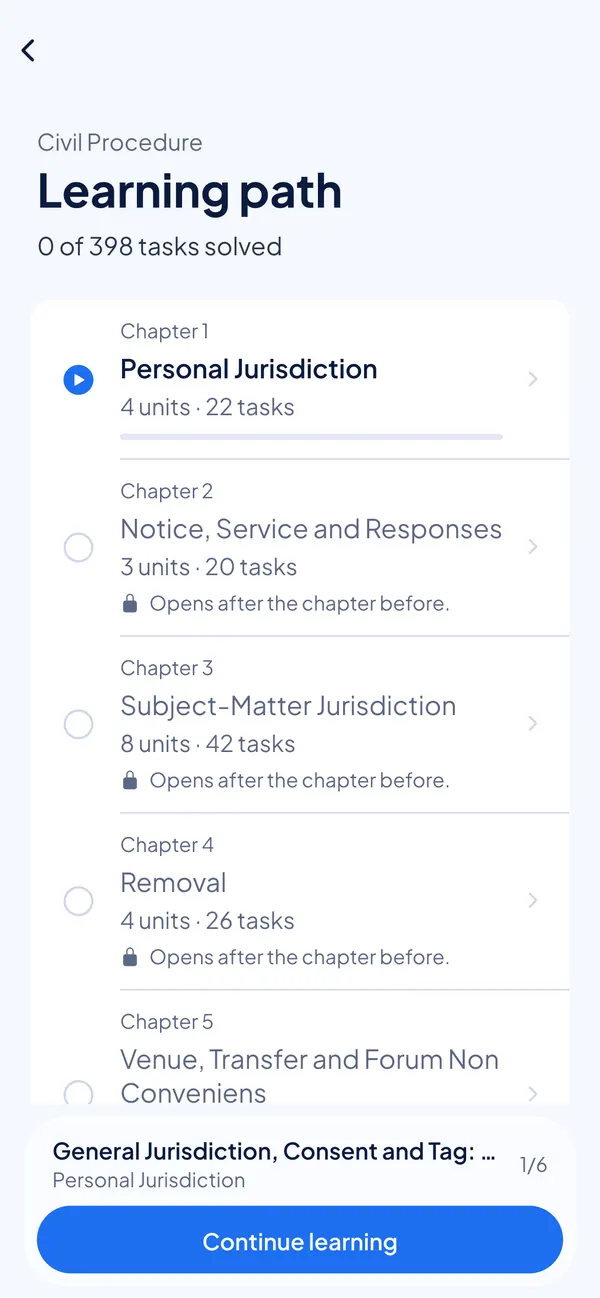
Chapter by chapter through the material. Each unit opens the next.
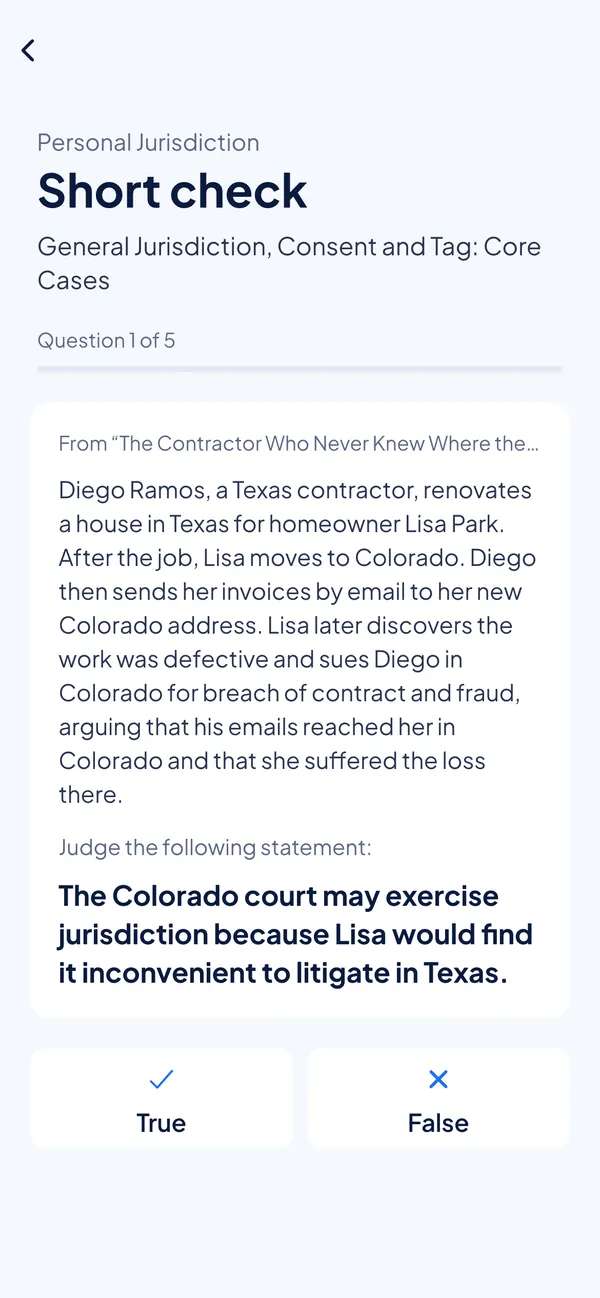
Read the facts, judge the statement, then see the reasoning with the rule.
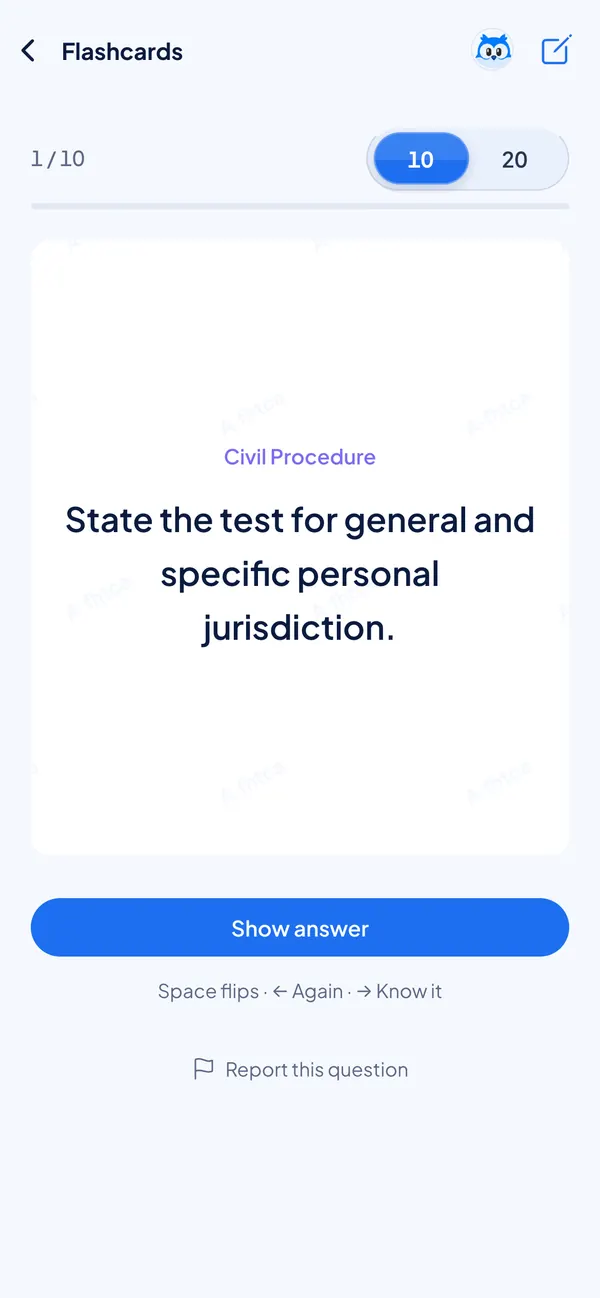
Answer yourself first, then reveal and rate. What is shaky comes back sooner.
Five statements after each unit show whether it has stuck.
The rule in full, with reading level, exam relevance and the cases on it.
The rules you missed most often, and your weakest subjects.
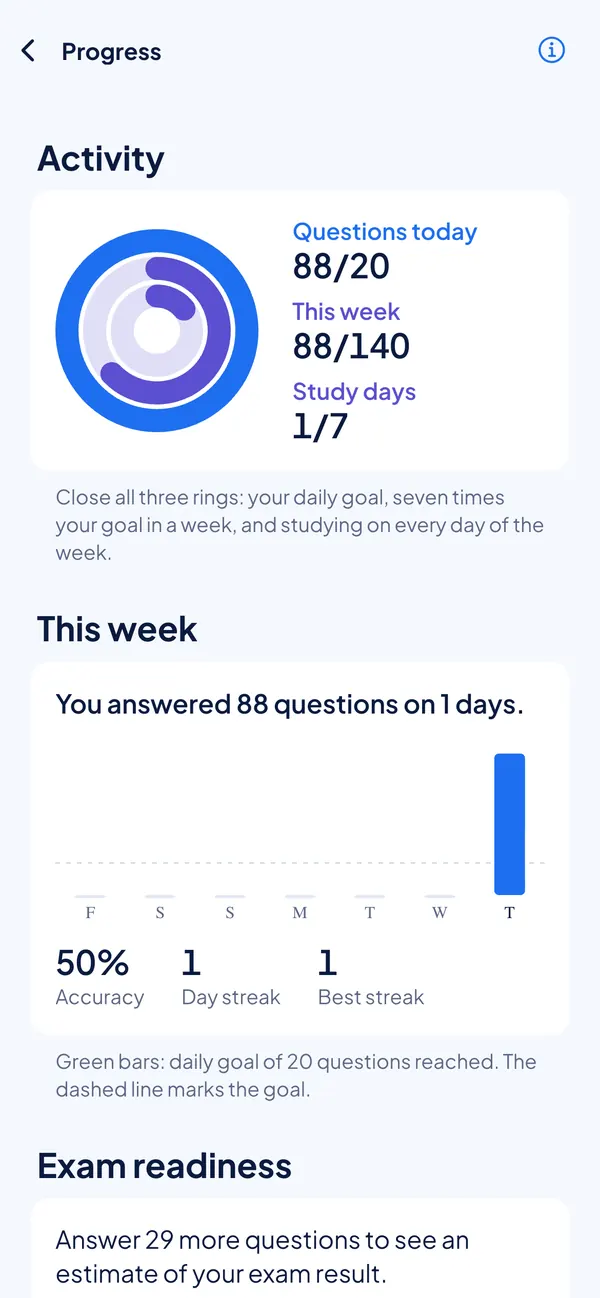
Daily goal, streak and exam readiness at a glance.
Web app
With a subscription you can also study in your browser, with the same account and progress.
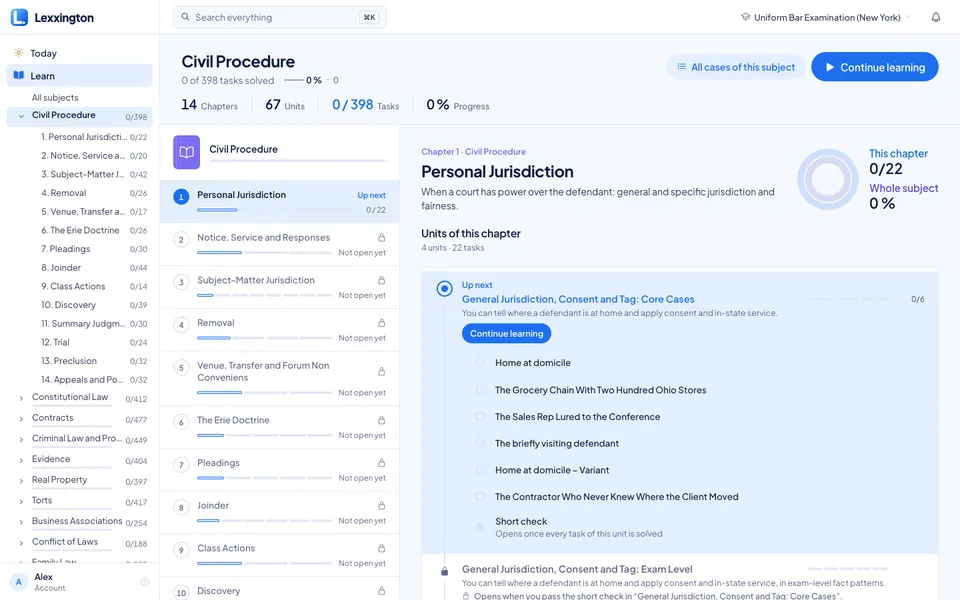
Counted from the course files: cases, questions and flashcards per subject. Each subject keeps the colour it has in the app.
casesquestionsflashcards
Choose your jurisdiction and the course follows its exam: the Uniform Bar Examination where it is used, otherwise the jurisdiction’s own bar exam on top of the multistate subjects.
UBE Uniform Bar Examination Own own bar exam
Lexxi, the AI tutor
Lexxi answers questions about the material in plain words, drawing on the app’s knowledge base. Every answer names the rules, so you can check it.
The rules and decisions the answer relies on, ready to read.
After a wrong answer, Lexxi explains the question another way or answers your follow-up.
Lexxi asks like an oral examiner and grades your answers.
Lexxi can be wrong. That is why the source is always shown.
Rules and cases
The rules are in the app in their official wording. From each rule you reach the cases and decisions that apply it, and from every answer back to the rule.
Find a rule in seconds, highlight it and keep it for later.
Published decisions that cite the provision, the most relevant first.
Practice cases that test exactly this rule.
Statutes can be stored on the device for the road.
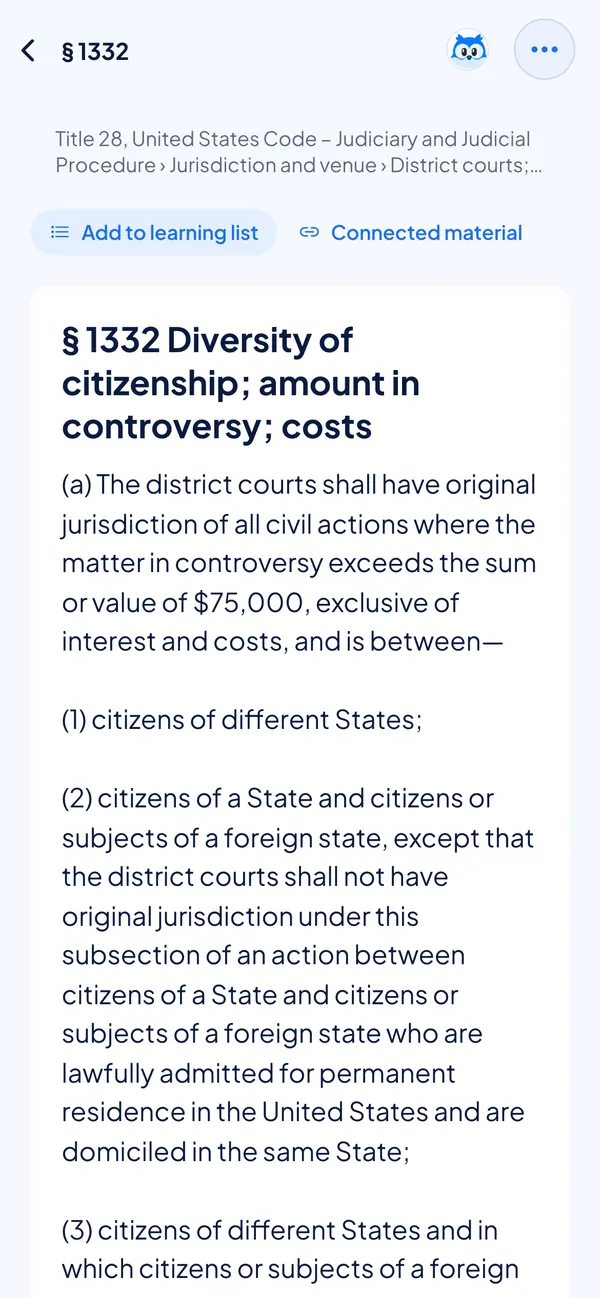
New in the app
From your answers and cards across the whole course: which rules have not stuck yet, and what fits into one short unit for today. No AI call, straight from your own record.
Today for you
Cards that are due, questions on your weak rules and the next unit of your learning path, sized by your exam date and recent results. The same unit all day; recomputed after each session.
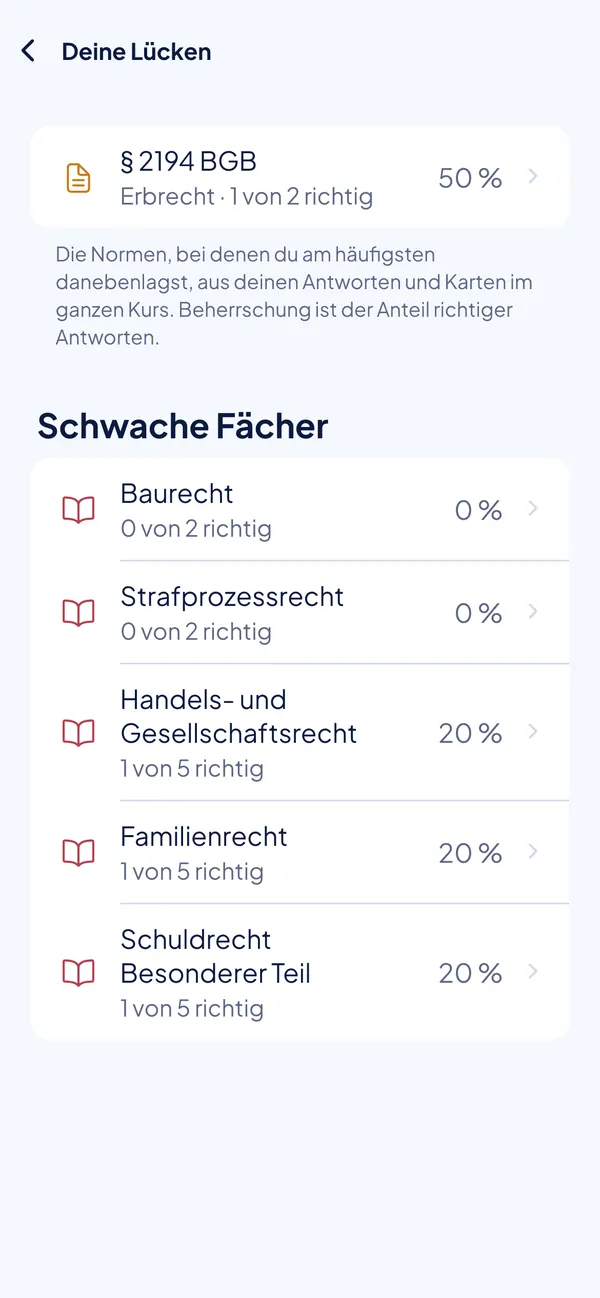
Weakness radar
The rules you missed most often, with your share of right answers. From each gap: practise five questions on it, read the rule in full or open the decisions that cite it.
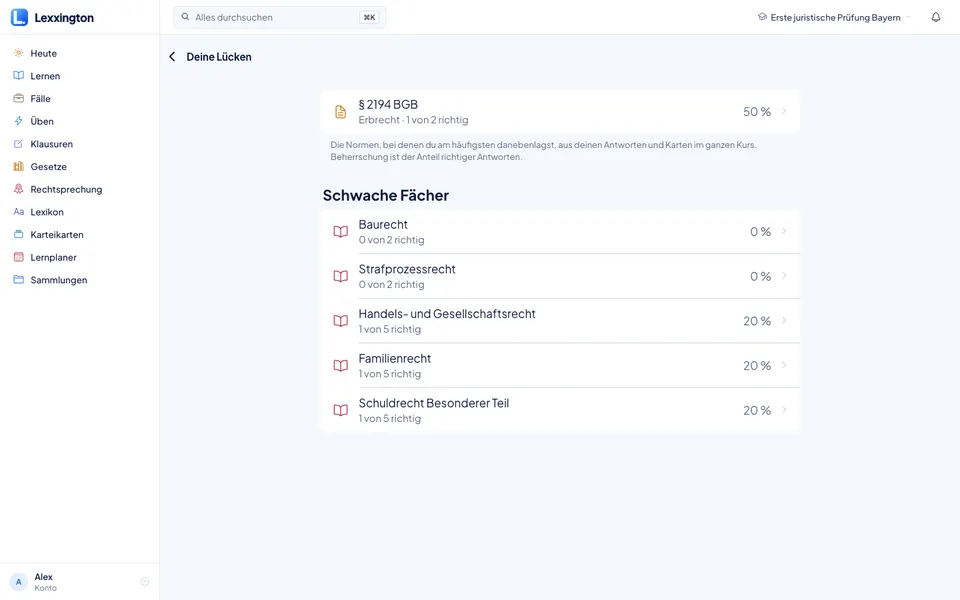
Real views from the web app with test data (the gaps view from the German course). In the app they show your own rules and numbers.
Step by step
Lessons are split into sections, each behind a card. You try it yourself first, then reveal. Then the learning path takes you to the next unit, with short checks in between.
Every section is a small test, not text to skim.
A few questions show whether the unit has stuck.
The learning path leads you through the material in a sensible order.
Contracts
A contract requires mutual assent (offer and acceptance) and consideration (a bargained-for exchange), or a substitute such as promissory estoppel. The common law governs services, land and most non-goods contracts; UCC Article 2 governs the sale of …
Start today with “Today for you”
Ten to fifteen minutes, sized to your exam date.
Original study material written from public sources: the official text of the law and published case law.
Download Lexxington on the App Store for iPhone or iPad.
Sign in with your email address and choose your jurisdiction.
With a subscription you can also study in your browser, with the same account and progress.
More than 5,000 cases, worked step by step: judge a statement, read the reasoning, look up the rule.
More than 5,000 questions, with an explanation for every answer.
More than 2,000 cards for rules and elements. What you forget comes back sooner.
The rules in full text, plus 118 leading cases you should know.
65 timed essays with a model answer.
 Lexxi, your AI tutor
Answers questions about the material and names the rules the answer relies on. Lexxi can be wrong, so check the rules it cites.
See which subjects are solid and where to spend your next hour.
The route in stages. Marked where Lexxington helps you.
With LexxingtonNot in the app
Contracts, Torts, Civil Procedure, Property, Criminal Law and Constitutional Law.
Evidence, Business Associations, Trusts and Estates and the other tested subjects.
The ethics exam most jurisdictions require, often taken during law school.
The Uniform Bar Examination or your jurisdiction’s own exam: multiple choice, essays and a performance test.
Character and fitness review, then admission in your jurisdiction.
Five common problems when studying for the exam, and what the app does about them.
Fixed class times do not fit every week.
Study in the app whenever it suits you. The study plan counts back from your exam date and adapts.
Rereading and highlighting feel productive but do little.
Recall instead of reading: every exercise asks for an answer. Cards come back spaced, and in lessons you try first yourself.
You do not know where the gaps are.
The weakness radar shows the rules you missed most often, and “Today for you” practises them.
Statutes and case law live apart.
The rule in full, and one tap away the cases and decisions that apply it.
AI answers sometimes invent rules.
Lexxi answers from the knowledge base and names its sources, so you can check every answer.
Of ten common study techniques, practice testing and spaced practice come out on top. Highlighting and rereading rank near the bottom.
Four well-supported findings from learning research and how the app applies them.
Testing yourself leads to much better retention after a week than rereading the same text.
Cards, questions and cases ask for your own answer every time.
A meta-analysis of hundreds of studies: reviews spread out over time give more durable knowledge than the same time in one block.
The app schedules every card again: what holds comes back later, what is shaky sooner.
Tackling a problem yourself first, even without success, makes the explanation that follows stick better (productive failure).
Lessons sit behind cards: say it yourself, then reveal. Cases show the reasoning only after your answer.
A review of ten study techniques rates practice testing and distributed practice highest, highlighting and rereading low.
That is why almost every feature is a test, not a read.
Study the way research recommends
Recall, spaced review, practice on cases. All in one app.
Many states use the Uniform Bar Examination: the Multistate Bar Examination counts for 50 %, the Multistate Essay Examination for 30 % and the Multistate Performance Test for 20 %. The MBE has 175 scored questions, 25 in each of seven subjects. From July 2026 jurisdictions move one by one to the NextGen UBE, which combines knowledge and skills in one exam.
California runs its own exam with the MBE, five essays and a performance test. Lexxington has a course for your jurisdiction and a separate course for the MPRE.
How the bar exam works: UBE, MBE, MEE, MPT, NextGen and the MPRE
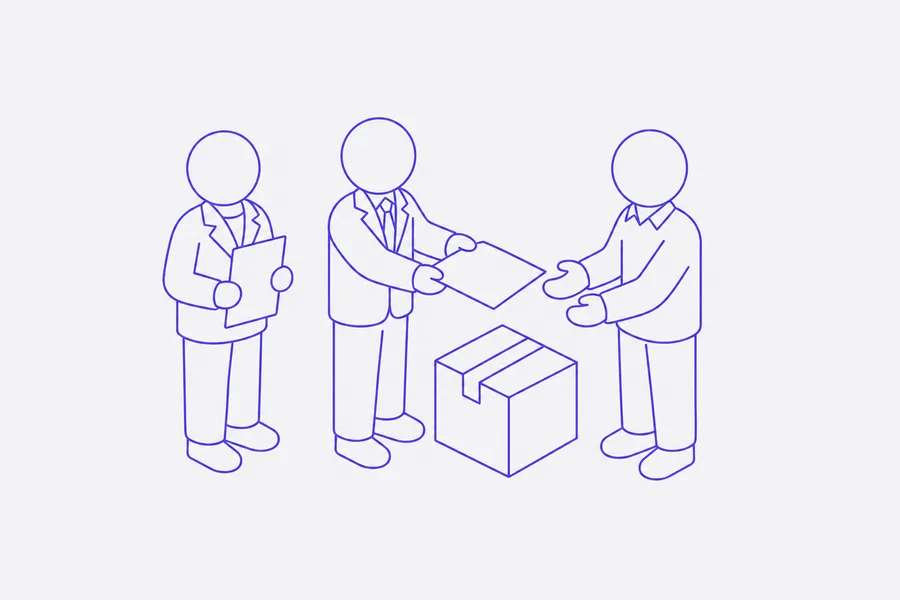
P hires A as purchasing agent and tells A in writing to buy supplies up to $5,000 per order. A signs a $4,000 supply contract with T in P's name. P later regrets the deal and refuses to pay.
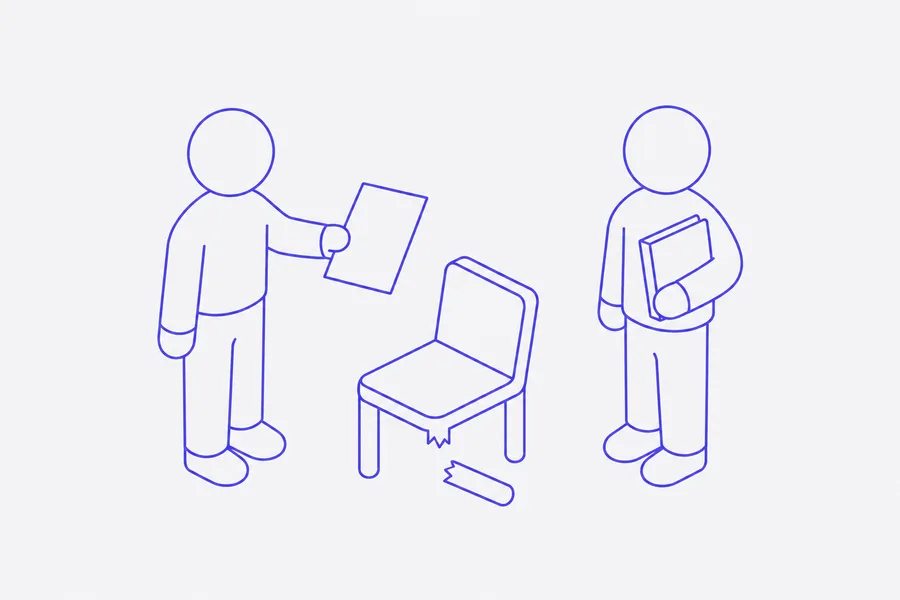
Gus sues Hal for breach of a sales contract for 100 chairs. Hal answers but does not assert any counterclaim. A year later, after judgment for Gus, Hal sues Gus separately for defects in those same chairs.
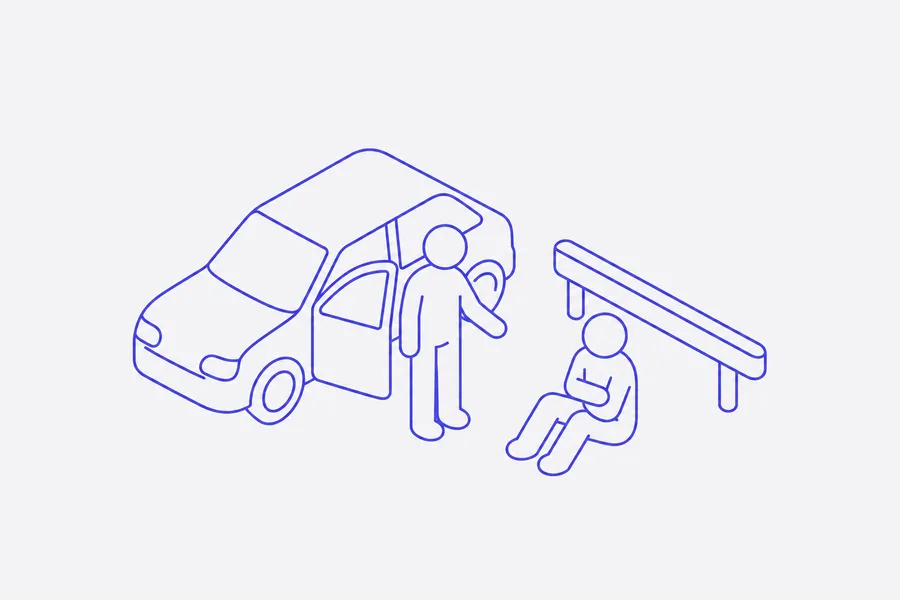
Two New York residents, driver and passenger, crash in Ontario, where a guest statute bars suits by passengers against drivers. New York has no such statute. The passenger sues in New York.
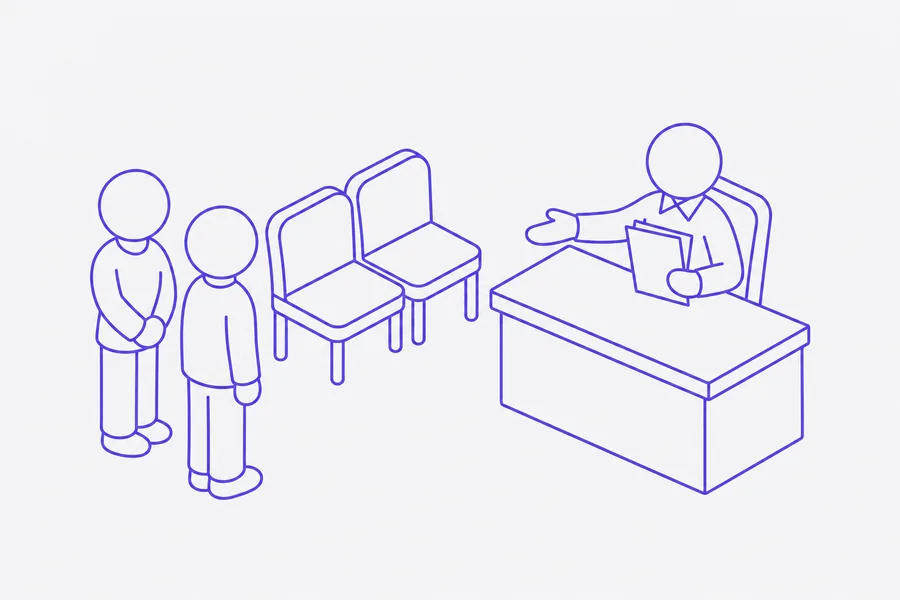
A state university reserves a set number of seats for applicants of one racial group. A rejected applicant of another group sues. The university says the program promotes classroom diversity.
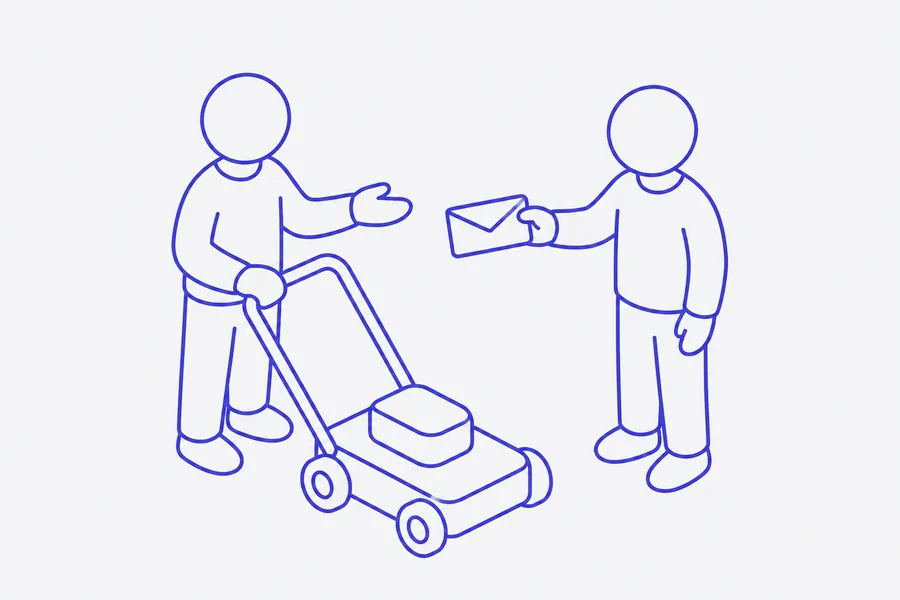
Ana offers to sell her mower to Ben for $200. Ben answers, 'I'll give you $150.' Ana says no. Ben then says, 'Fine, $200.'
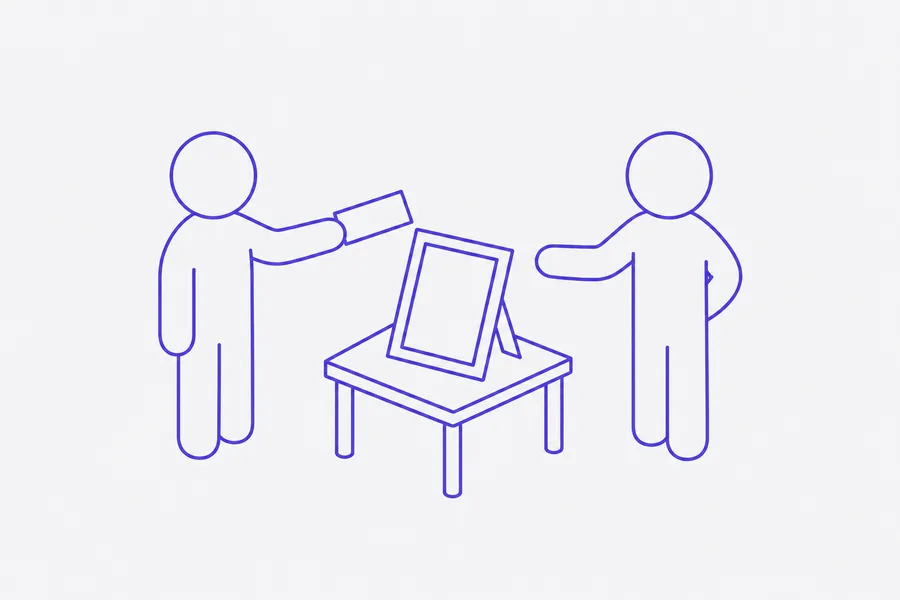
Tara tells Dev that she owns a rare painting and will deliver it next week if he pays $5,000 now. Dev pays. Tara intends to deliver nothing and keeps the money. She does not own a painting.
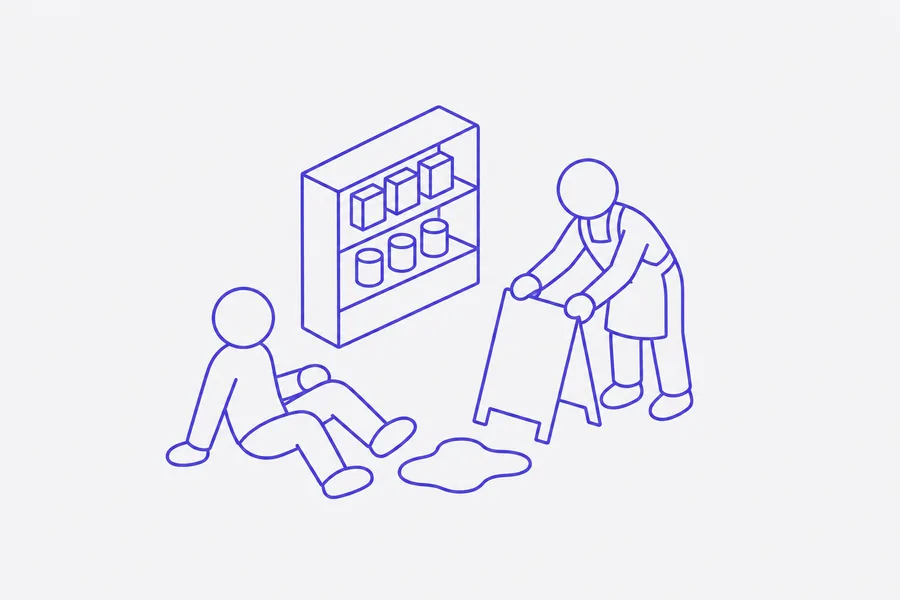
Pat slips on a wet floor in Dex's store. After the fall, Dex puts up warning signs. At trial Pat offers the signs as evidence of negligence.
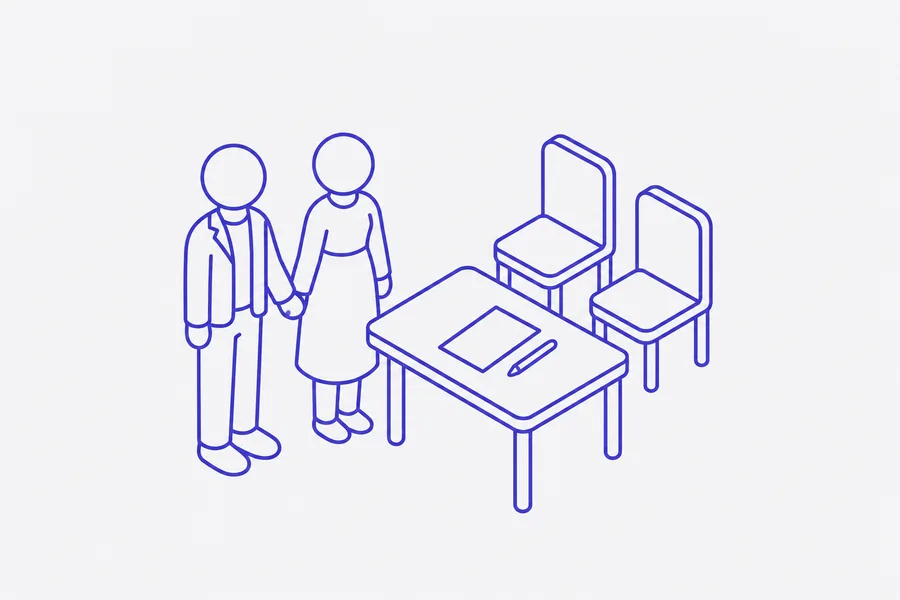
Kit, 16, and Lou, 19, marry in a state that requires parental consent under 18. Kit's parents did not consent. Two years later Kit turns 18 and they live together.
Study content counted from the course files on every release, the knowledge base hourly from our pipeline. All figures rounded down. Knowledge base as of 5 November 2026.
The exercises follow methods that are well supported by learning research.
Every exercise asks for an answer from memory: flashcards test the rules, cases ask you to judge each statement.
The app schedules each card again. Cards you know come back later, shaky ones sooner.
The daily session mixes due, weak and new questions across subjects, the way the exam does.
Short fact patterns judged statement by statement, with the rule and the reasoning after every answer.
Outlines, lectures and courses still matter. Lexxington works where knowledge usually slips away: recall and review.
Many students combine a course with the app. See the course and how the exam works.
Anything else? Write to us.
Support
hello [at] lexxington.com
The multistate subjects for everyone, plus a course for each US jurisdiction, from UBE states to California and Florida. You choose yours when you start.
The NextGen UBE tests the same core subjects together with lawyering skills. Lexxington trains the subjects with cases, questions, flashcards and timed essays; check your jurisdiction for the date it switches.
Yes. Professional responsibility is part of the US course, and there is a separate course for the MPRE.
Lexxi is the AI tutor in the app. It answers questions about the material and names the rules it relies on. Lexxi can be wrong, so check the rules it cites.
No. All questions and cases are original study material written from public sources. Lexxington is not affiliated with the NCBE or any bar examiner.
On the App Store for iPhone and iPad. You subscribe in the app, where the price and term are shown before you buy. Subscribers can also study in the web app.
One 10 to 15 minute unit on the start screen: cards that are due, questions on your weak rules and the next unit of your learning path. It follows your exam date and recent results and is recomputed after each session.
The rules you missed most often, with your share of right answers. From there you practise five questions on the rule, read it in full or open the decisions that cite it.
Cases, questions, cards and lessons are original study material written from public sources. The rules are quoted from official texts, and decisions come from published case law.
Yes. On iPhone and iPad with the app, and with a subscription in the browser too, with the same account and progress.
Not necessarily. Many students combine both: the course for the overview, the app for daily recall, review and practice on cases.
No. Lexxi is a study aid and can be wrong. That is why every answer names the rules it relies on, so you can check them.
For iPhone and iPad. All content in the subscription in the app, plus the web app with the same account.